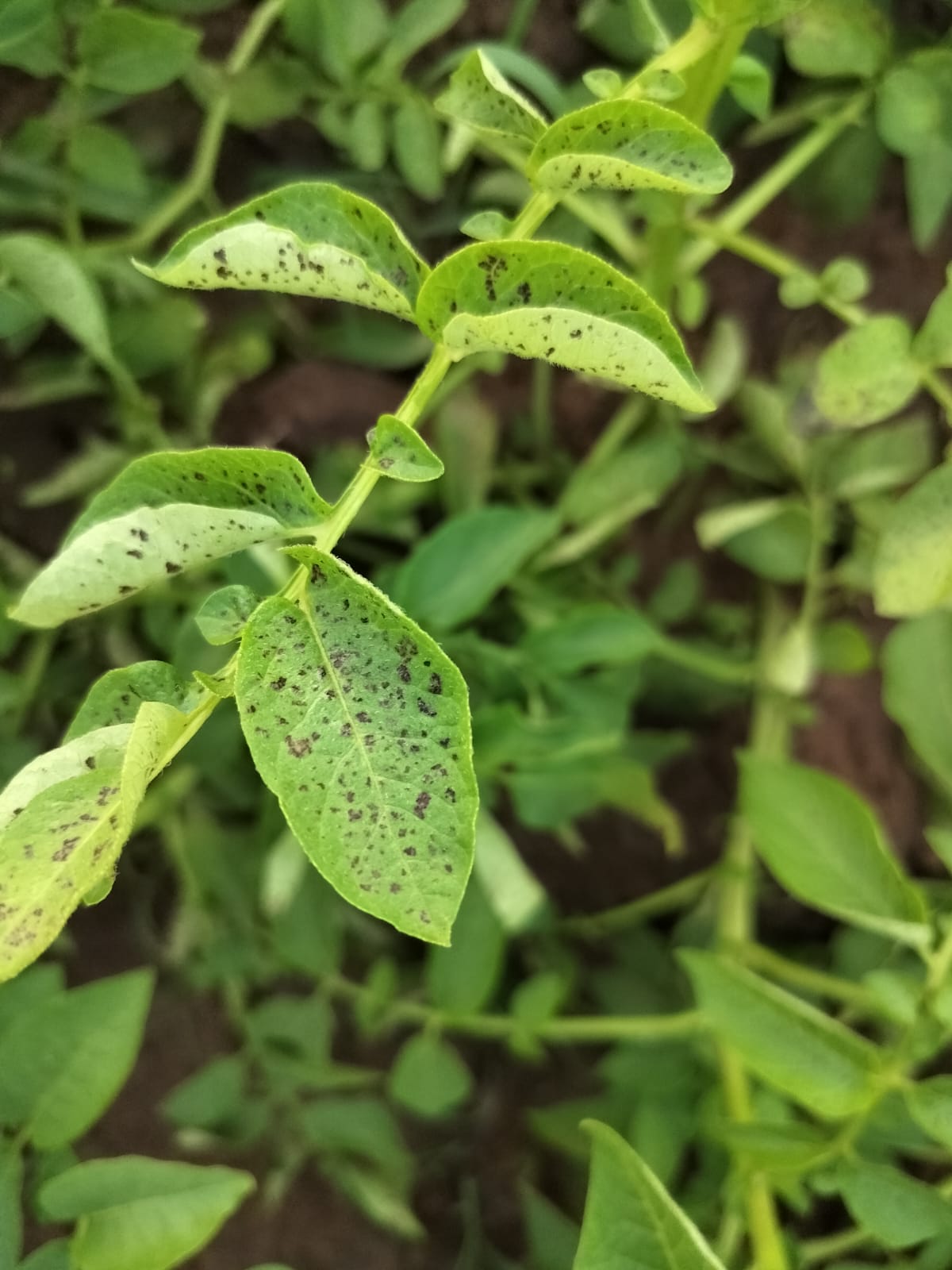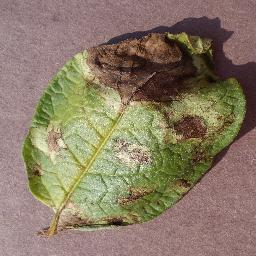
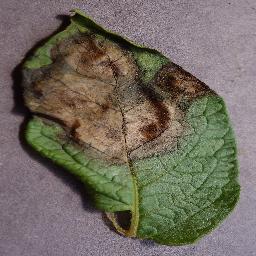
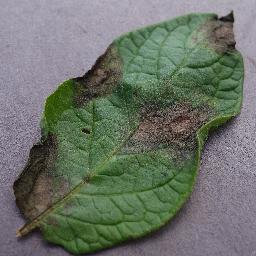
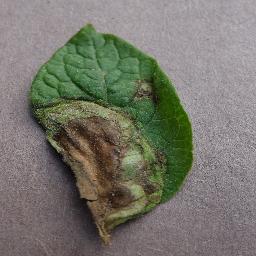
Late blight has shaped the history of agriculture more than almost any other plant disease. It was responsible for the Irish Potato Famine in the 1840s and continues to cause annual economic losses worth billions of dollars across the world. In India, the disease is particularly destructive during the rabi potato season when prolonged fog, high humidity and cool temperatures prevail. Because the pathogen can complete several infection cycles within a single season, disease outbreaks can escalate from a few infected leaves to complete crop destruction in only a few days. Unlike many fungal diseases, late blight is caused by an oomycete or water mold, which thrives under wet environmental conditions. The disease primarily attacks leaves and stems during crop growth but can also infect developing tubers, leading to serious storage losses after harvest. Among all potato diseases, late blight causes the highest economic losses globally because of its ability to spread rapidly and infect both foliage and tubers.
The disease cycle generally begins with infected seed tubers or volunteer potato plants carrying the pathogen from the previous season. Under humid conditions, the pathogen produces large numbers of sporangia that are easily dispersed by wind and rain splash over long distances. When temperatures remain between 10°C and 18°C and leaves remain wet for several hours, sporangia germinate and infect healthy plant tissue either directly or through motile zoospores. New lesions begin producing fresh spores within three to five days, allowing multiple infection cycles during a single growing season. This explosive multiplication explains why late blight epidemics can spread across entire regions within a very short period.
Late blight is primarily a weather-driven disease. Disease outbreaks are strongly associated with cool temperatures, high relative humidity and prolonged leaf wetness.
Field diagnosis is usually straightforward when characteristic symptoms are present. Water-soaked lesions accompanied by white sporulation on the underside of leaves during humid mornings strongly indicate late blight. Rapid disease spread across the field and simultaneous infection of stems further support diagnosis. For research or quarantine purposes, laboratory confirmation may be performed using microscopy, pathogen isolation, PCR or other molecular diagnostic techniques.
No single control measure can effectively manage late blight throughout the season. Sustainable management requires integrating disease-free seed, field sanitation, resistant varieties where available, balanced nutrition, proper irrigation, regular scouting, weather-based forecasting, biological agents and a well-planned preventive fungicide program. This integrated strategy minimizes yield losses, reduces fungicide dependence and delays the development of fungicide resistance.
Chemical control remains the backbone of late blight management, particularly in commercial potato production.
Such as mancozeb and copper-based products are commonly used before disease appearance. Once disease risk increases, systemic and translaminar fungicides including mandipropamid, cymoxanil mixtures, dimethomorph mixtures, fluopicolide combinations, cyazofamid and oxathiapiprolin-based products provide highly effective protection when applied at recommended intervals.
Successful fungicide programs emphasize prevention rather than cure, ensure thorough canopy coverage and rotate different FRAC groups to delay resistance development.
Good agronomic practices (GAP) significantly reduce disease risk by minimizing inoculum and improving canopy ventilation. Crop rotation for at least two to three years, removal of infected crop debris, proper irrigation scheduling and balanced nutrient management all contribute to lowering disease incidence.
Harvesting should only be performed after vines have completely dried, and tubers should never be harvested under wet soil conditions to minimize storage infections.
Successful management begins before planting. Farmers should always use certified disease-free seed tubers and destroy volunteer potato plants and cull piles that serve as sources of primary infection. Proper drainage, balanced fertilization, adequate plant spacing and avoidance of overhead irrigation all contribute to reducing disease pressure.
Continuous monitoring of weather forecasts and early preventive fungicide applications remain among the most effective strategies for preventing epidemics.
Need help on your farm?
Potato Intel detects diseases, pests, and disorders from satellite + field data — with management advice tailored to your variety and crop stage.
Request DemoSimilar